
What motivated you to coordinate Ideal-ist, and how did this align with your organisation's broader goals at the time?
My main motivation was to contribute to a stronger and more connected European NCP support system for applicants to EU funding programmes in the ICT field. Every applicant, regardless of their country, should have access to high-quality advice and the same opportunities to participate in European funding programmes. For me, the project Ideal-ist was much more than a coordination exercise. It was an opportunity to bring people together, build trust and create a network in which NCPs could learn from each other and develop common approaches. This aligns pretty much with our broader goal of strengthening European cooperation and ensuring equal opportunities for researchers and innovators.
As former coordinator of Ideal-ist, what aspects of your daily professional life did you find most fulfilling? Can you share some examples of how you integrated your passion into the project’s operations?
What I found most fulfilling was bringing NCPs from different countries together and helping them learn from each other. NCPs operate in different national contexts, but they share the same mission: helping applicants navigate EU funding programmes successfully. I was passionate about creating an extended network in which knowledge, experience and good practices could be shared openly. For me, successful coordination means building trust and encouraging collaboration so that the quality of support could improve across Europe and beyond.
From your perspective as the head of the former German NCP team, what are the most promising areas of digital innovation in your country? How is your organisation positioning itself to capitalise on these opportunities?
From my perspective, artificial intelligence, data-driven innovation, digitalisation of industry and public services, and cybersecurity are among the most promising areas of digital innovation in Germany. These fields offer significant opportunities for research and innovation, and European funding programmes play an important role in supporting their development. As a former head of the German digital NCP team, I believe that our role goes beyond simply providing information about funding opportunities. We need to help researchers, companies and other organisations understand the programmes, identify suitable funding opportunities and develop competitive proposals.
How did the Ideal-IST network enhance your organisation's capabilities and your effectiveness as a leader? Could you provide specific examples of benefits you've observed?
The Idealist network enabled us to exchange experiences, identify good practices and learn how other countries organise their NCP advisory services. It helped us understand that differences in national structures should not lead to unequal opportunities for applicants. On a personal level, seven years of coordination taught me that effective European cooperation requires trust, communication and a shared commitment to common standards. Leadership in this context means connecting people and helping them work towards a common goal that benefits the entire European community.
What message or insights would you like to share with your peers to inspire them?
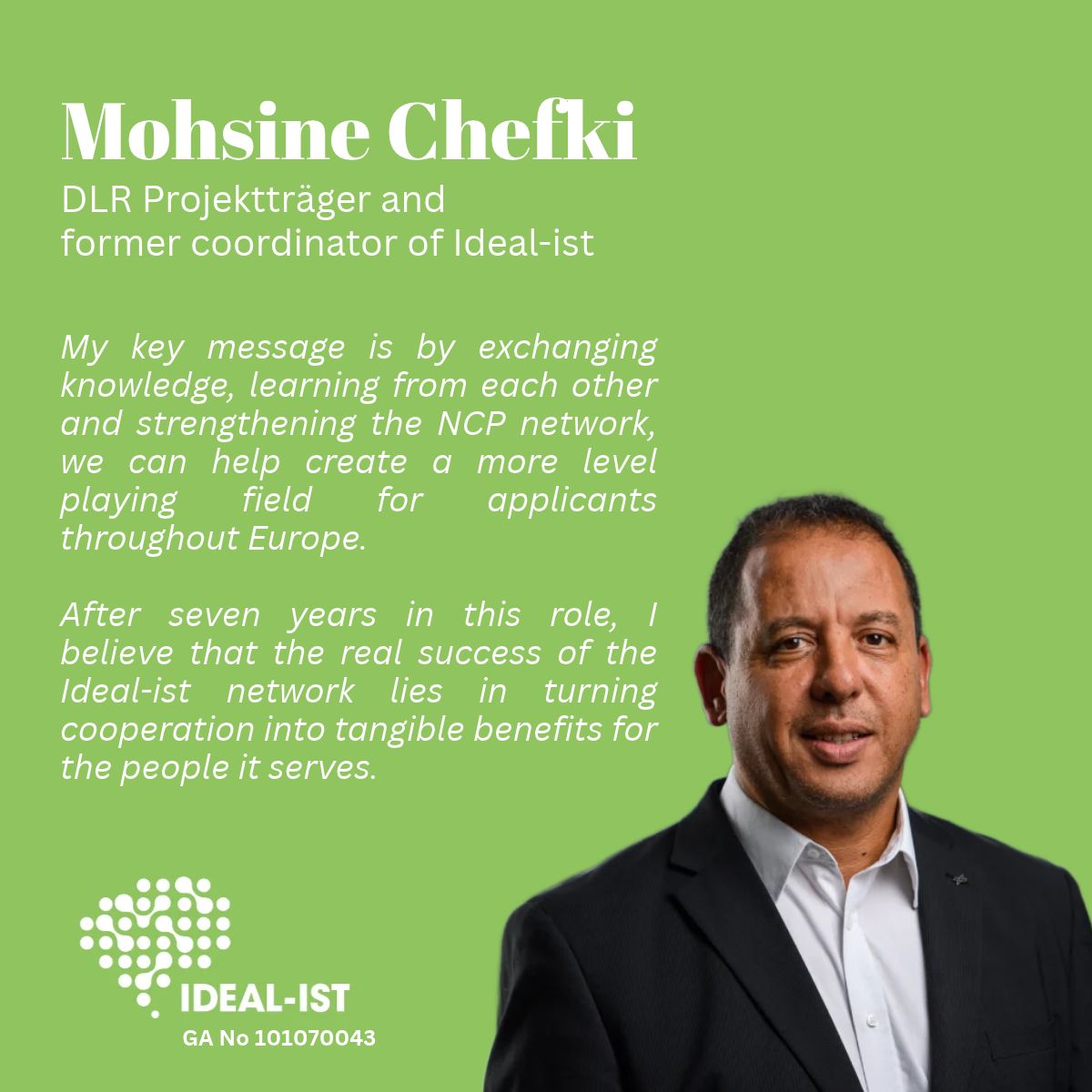
My key message is by exchanging knowledge, learning from each other and strengthening the NCP network, we can help create a more level playing field for applicants throughout Europe. After seven years in this role, I believe that the real success of the Ideal-ist network lies in turning cooperation into tangible benefits for the people it serves.